
How to Choose the Right Baby Cream for Your Child
Choosing the right baby cream goes far beyond just looking at the price tag. A baby’s skin is incredibly delicate and sensitive, requiring careful consideration of various factors to ensure its health and comfort. Here’s a comprehensive guide to help you make an informed decision:
Skin Type Considerations:
Normal Skin: For babies with generally healthy skin, a gentle, everyday moisturizing cream is sufficient to maintain hydration and protect the skin barrier.
Dry Skin: Look for creams with richer formulations designed to provide intense hydration. Ingredients like shea butter, cocoa butter, and natural oils are excellent for replenishing moisture.
Sensitive Skin: Babies with sensitive skin are prone to irritation. Opt for creams labeled “hypoallergenic,” “fragrance-free,” and “dye-free.” A minimal ingredient list is often a good sign.
Eczema-Prone Skin: For babies with eczema or extremely dry, itchy skin, creams specifically formulated for eczema are crucial. These often contain ceramides, colloidal oatmeal, or other soothing agents to repair the skin barrier and reduce inflammation. Always consult a pediatrician for severe cases.
Ingredients to Look For:
Prioritize creams with beneficial, nourishing ingredients.
Natural Oils: Almond oil, olive oil, sunflower oil, and jojoba oil are rich in vitamins and fatty acids that nourish and protect the skin.
Ceramides: These are lipids naturally found in the skin that help form a protective barrier, essential for dry and eczema-prone skin.
Hyaluronic Acid: A powerful humectant that draws moisture from the air into the skin, providing deep hydration without feeling greasy.
Glycerin: Another effective humectant that helps to keep the skin hydrated and soft.
Shea Butter/Cocoa Butter: Excellent emollients that create a protective layer on the skin, preventing moisture loss.
Ingredients to Avoid:
Be vigilant about ingredients that can irritate a baby’s delicate skin.
Parabens: Preservatives that have raised health concerns.
Phthalates: Chemicals often used in fragrances that can be endocrine disruptors.
Synthetic Fragrances: A common cause of skin irritation and allergic reactions in babies. Always choose “fragrance-free” over “unscented,” as unscented products may still contain masking fragrances.
Dyes: Artificial colors can also trigger sensitivities.
Alcohol: Can be drying and irritating to the skin.
Sulfates: Harsh cleansing agents that can strip natural oils from the skin.
Purpose:
Match the cream to its intended use.
Daily Moisturizing: A lightweight lotion or cream for everyday hydration after bath time.
Diaper Rash Prevention/Treatment: Thicker barrier creams containing zinc oxide or petroleum jelly are essential for protecting against and healing diaper rash.
Specific Skin Conditions: As mentioned, specialized creams for eczema, cradle cap, or extreme dryness.
Dermatologist/Pediatrician Recommended:
If a product is recommended or approved by pediatricians or dermatologists, it often indicates a higher level of safety and efficacy for sensitive baby skin. Look for seals or statements on the packaging.
Patch Test:
Before applying any new cream all over your baby’s body, perform a patch test. Apply a small amount of the cream to a discreet area of skin (e.g., behind the ear or on the inner arm) and wait 24-48 hours to check for any signs of redness, rash, or irritation. This simple step can prevent widespread discomfort.
Frequently Asked Questions About Baby Cream
What is the average price of baby cream in Bangladesh?
The price of baby cream in Bangladesh can vary significantly based on brand, ingredients, size, and where you purchase it. Generally, you can expect prices to range from BDT 150 for smaller, local brand creams to over BDT 1500 for larger sizes or premium international brands. It’s always best to compare prices from different retailers for the best deals.
Which baby cream is best for dry skin in Bangladesh?
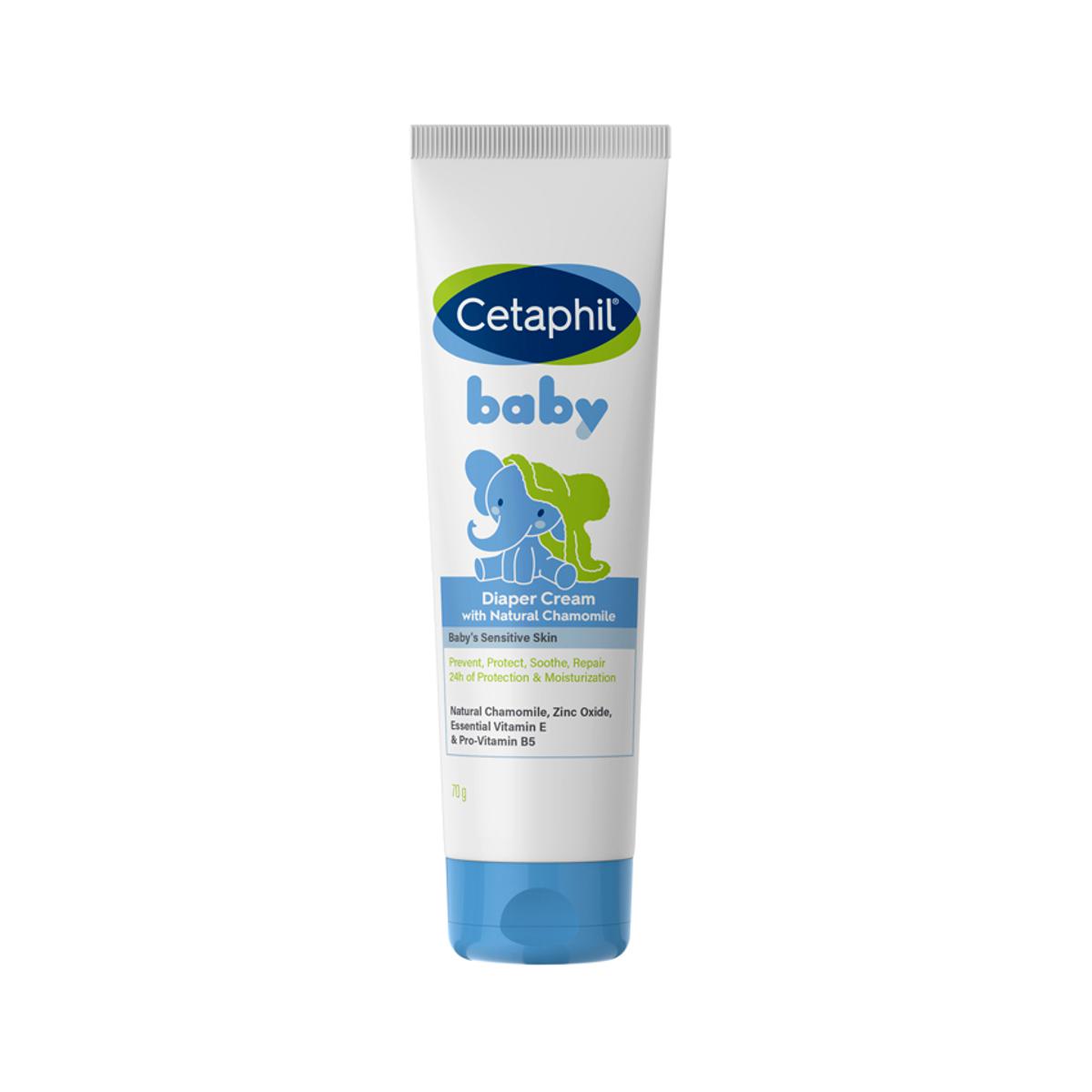
For dry baby skin, look for creams specifically formulated for intense hydration. Brands like Sebamed, Cetaphil Baby, and certain formulations from Johnson’s Baby or Himalaya offer excellent options. Key ingredients to seek out include shea butter, cocoa butter, ceramides, and natural oils (like almond or olive oil), which help to replenish moisture and strengthen the skin barrier.
Are imported baby creams more expensive?
Yes, imported baby creams generally tend to be more expensive than locally manufactured ones. This is due to factors such as import duties, shipping costs, and brand positioning. However, they often offer specialized formulations or ingredients that might not be readily available in local products.
How often should I apply baby cream?
For daily moisturizing, it’s recommended to apply baby cream at least once a day, ideally after bath time when the skin is still slightly damp to lock in moisture. For babies with very dry skin or specific conditions like eczema, more frequent application (2-3 times a day) might be necessary, as advised by a pediatrician.
Can I use adult cream on my baby?
It is generally not recommended to use adult creams on babies. Adult creams often contain fragrances, dyes, parabens, and other chemicals that can be too harsh or irritating for a baby’s extremely sensitive and delicate skin. Always opt for products specifically formulated and tested for infants.
What’s the difference between baby cream and baby lotion?
The main difference lies in their consistency and oil content. Baby creams are typically thicker and richer, with a higher oil-to-water ratio, making them ideal for very dry skin or for providing intense hydration. Baby lotions are lighter, have a higher water content, and are more suitable for everyday, all-over moisturizing for normal skin, absorbing quickly without a greasy feel.
Is Johnson’s baby cream safe for newborns?
Johnson’s Baby offers a range of products, many of which are formulated to be gentle enough for newborns. However, for newborns, especially those with sensitive skin, it’s always advisable to choose products specifically labeled “for newborns” or “hypoallergenic” and to perform a patch test first. If you have any concerns, consult your pediatrician.
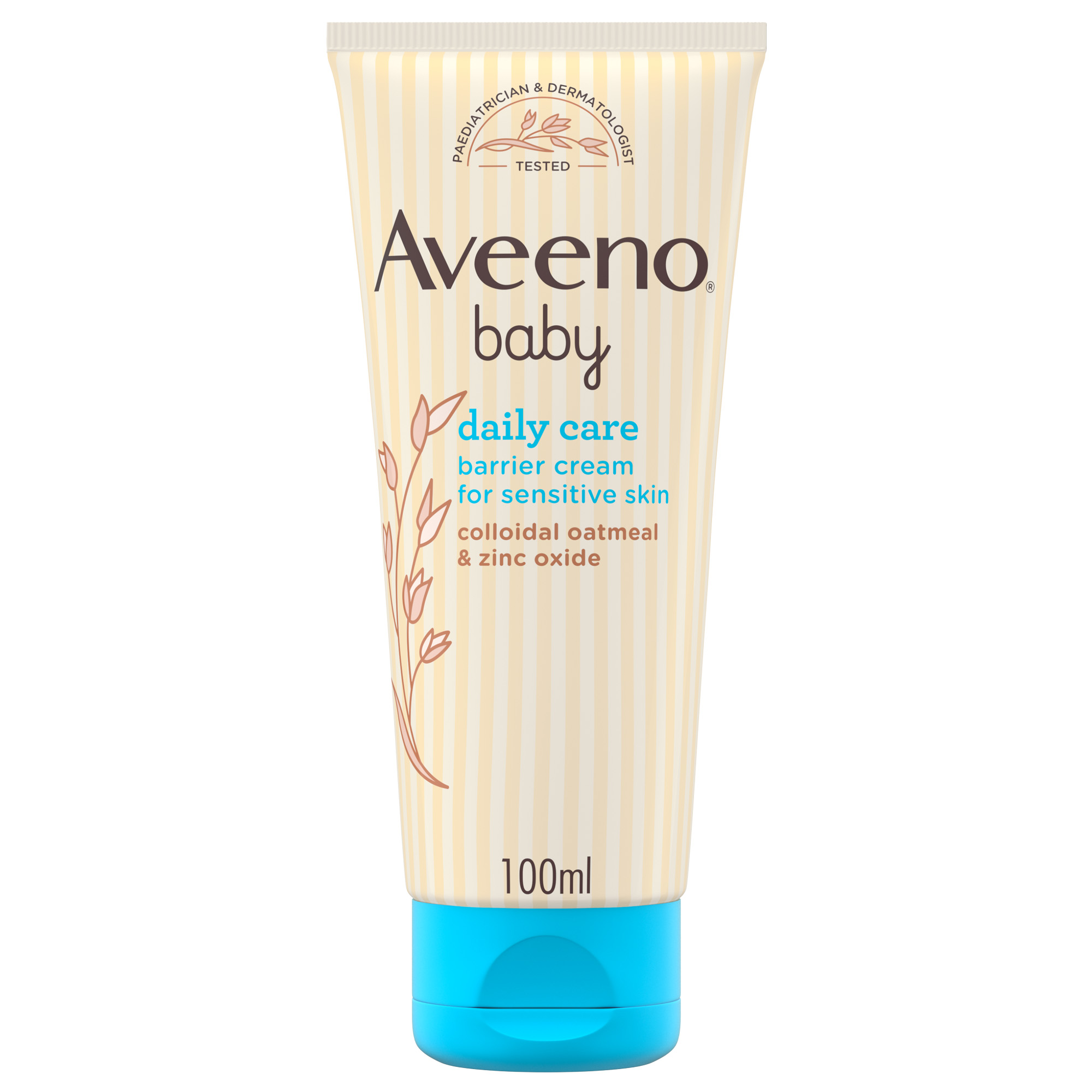
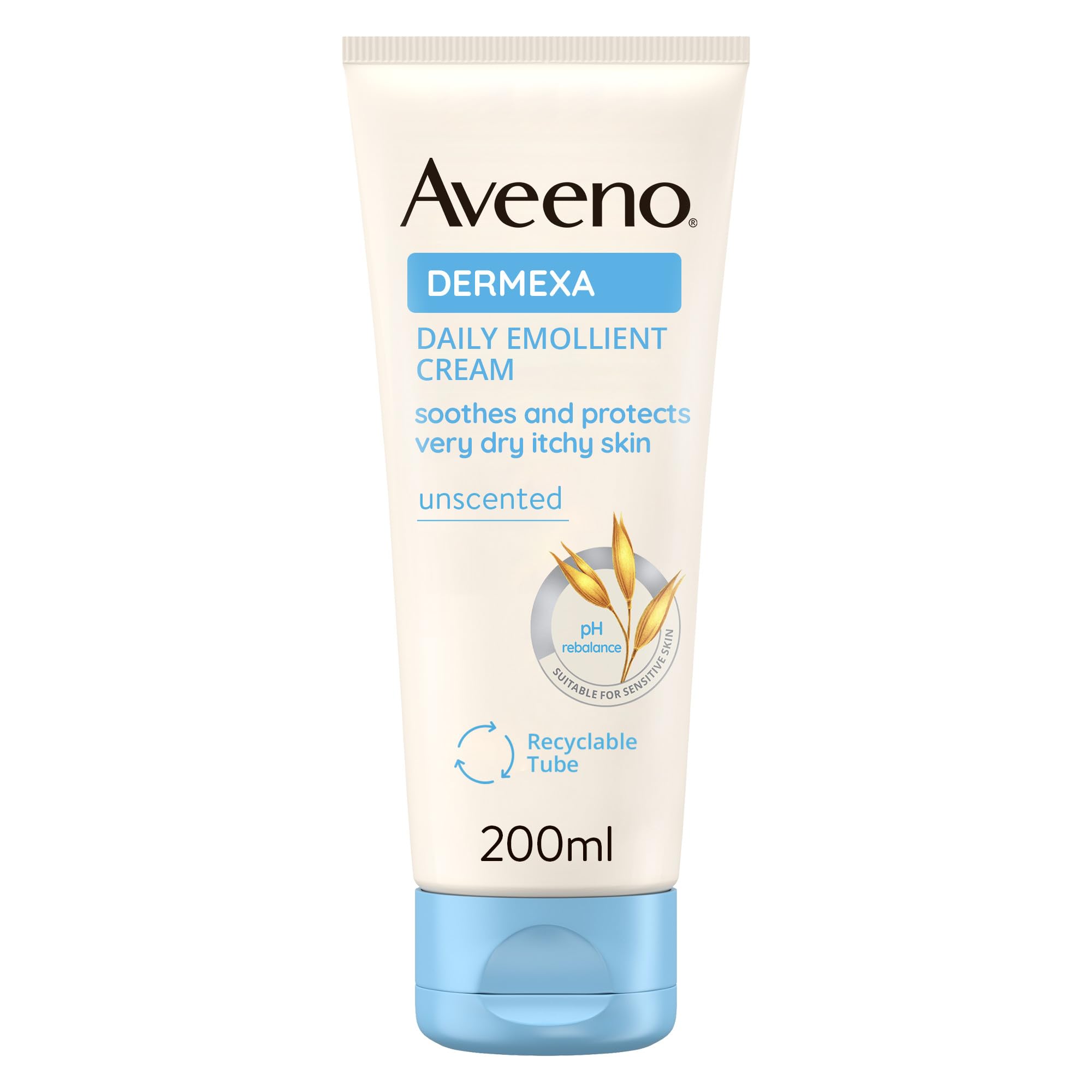
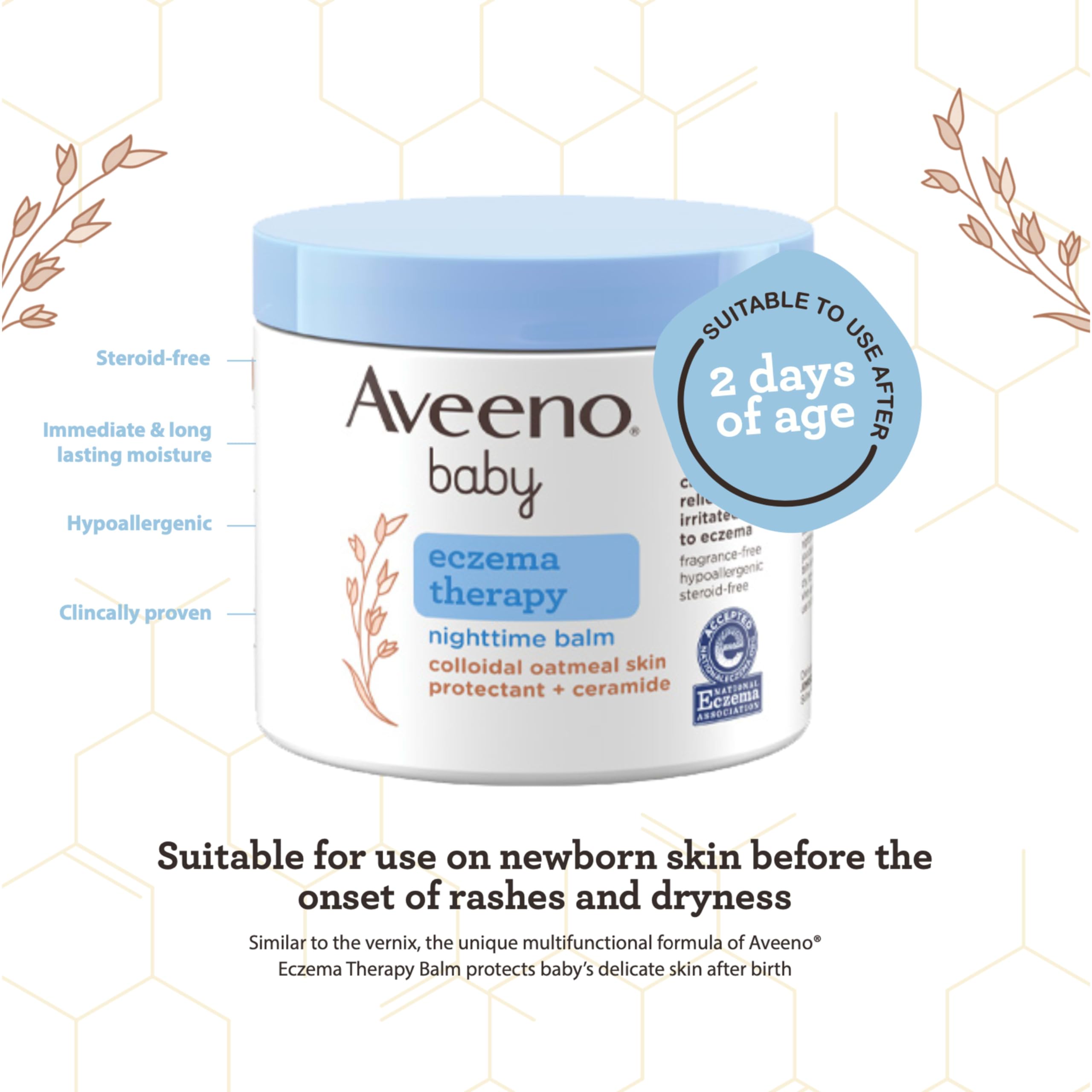
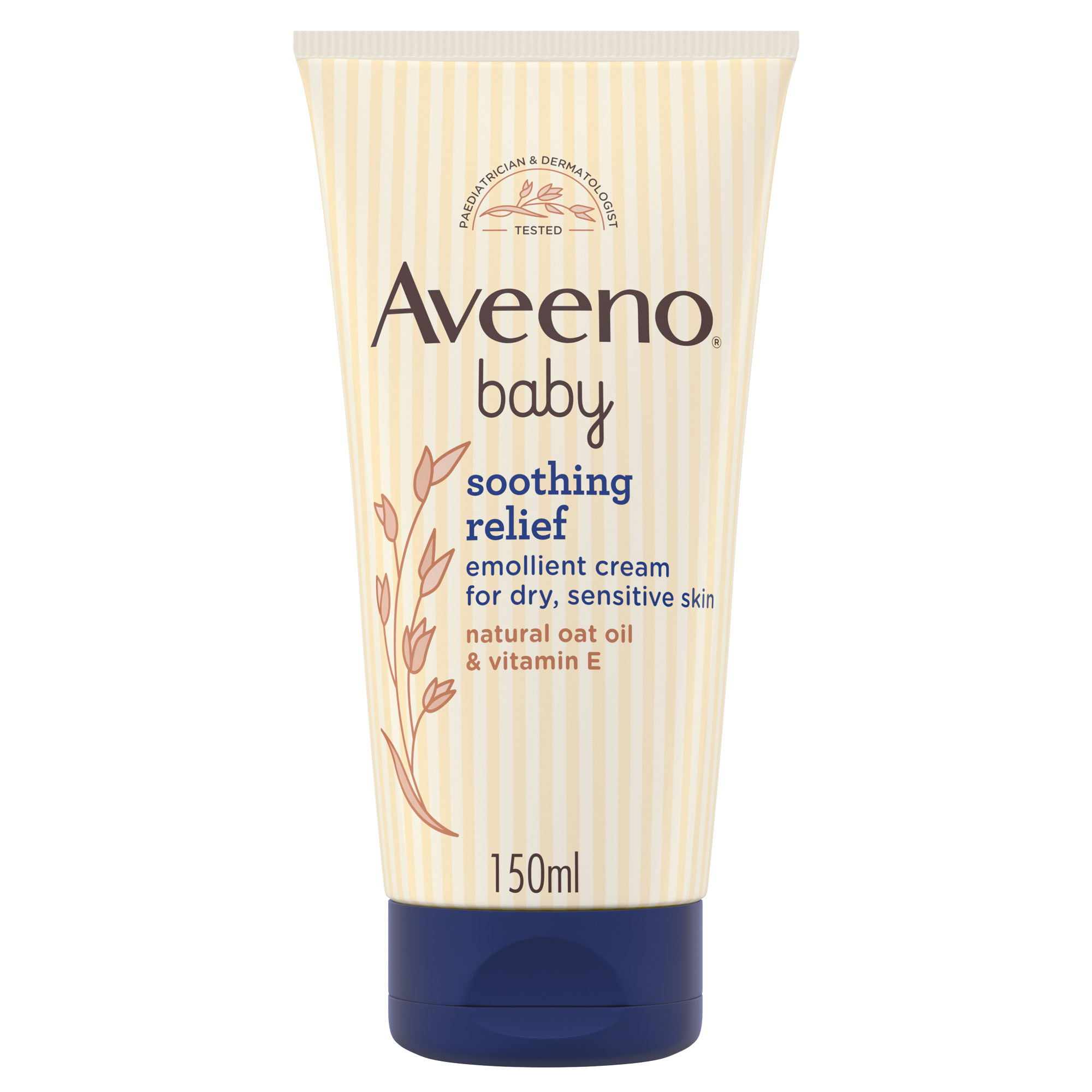
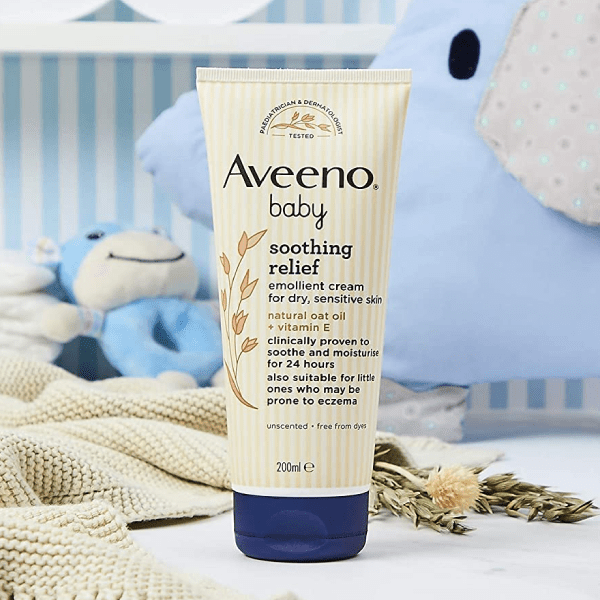
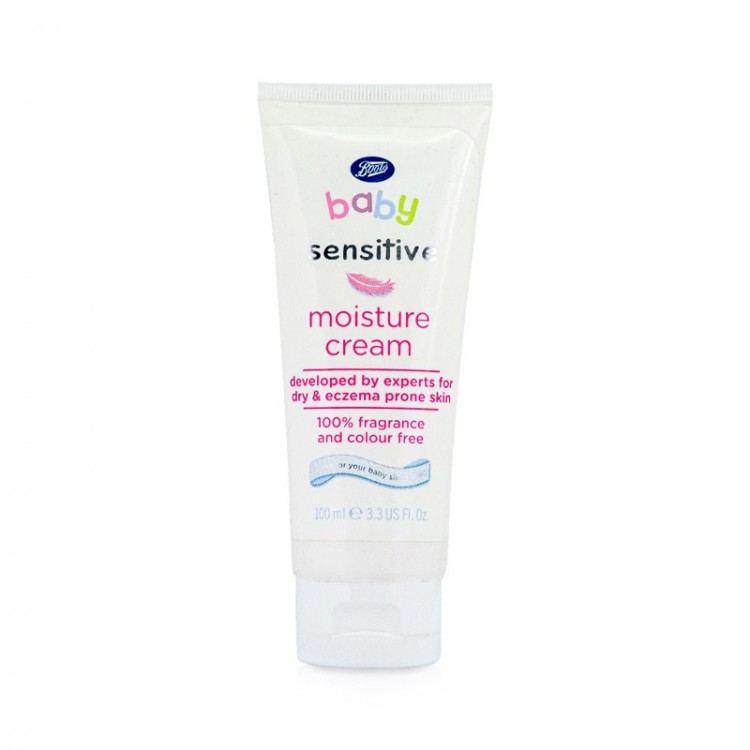
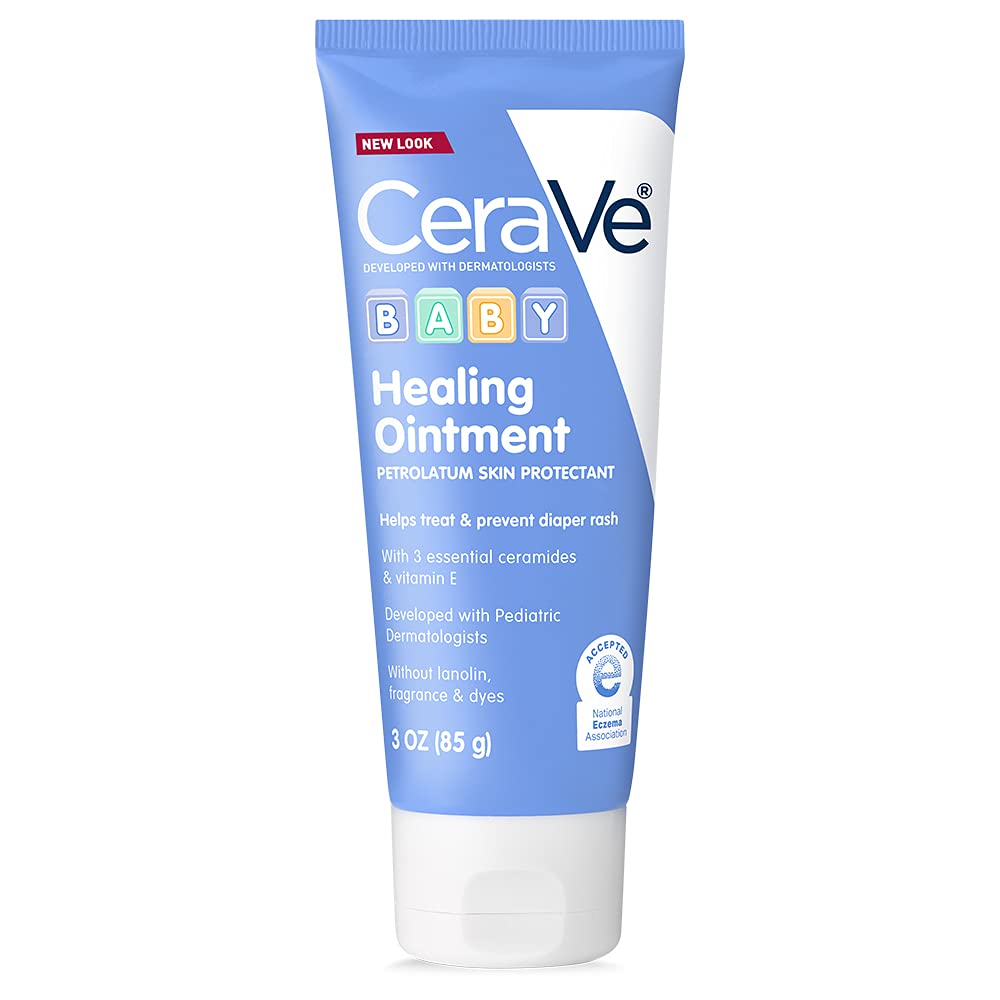
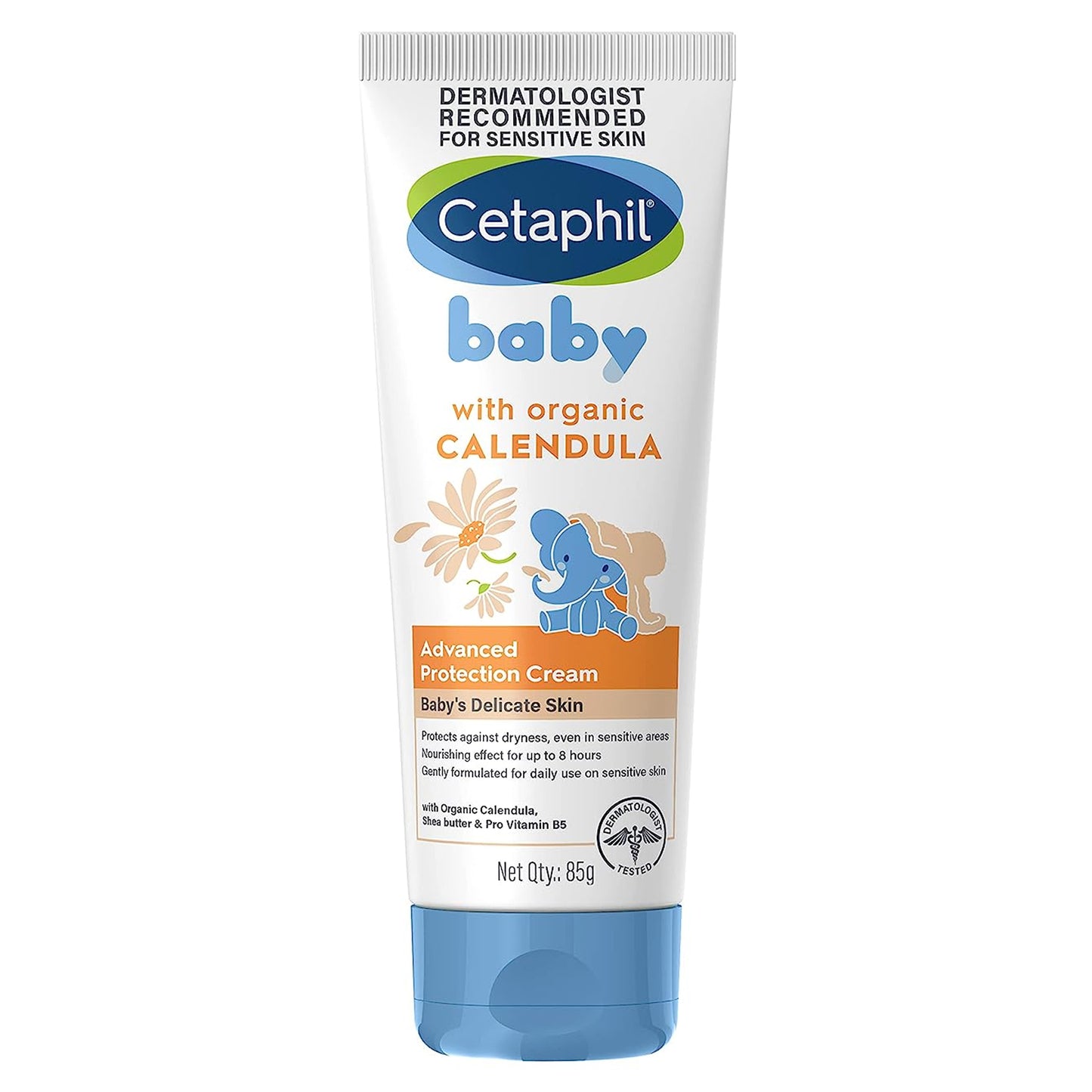
How to Choose the Right Baby Cream for Your Child Choosing the right baby cream goes far beyond just looking at the price tag. A baby's skin is incredibly delicate and sensitive, requiring careful consideration of various factors to ensure its health and comfort. Here's a comprehensive guide to help you make an informed decision: Skin Type Considerations: Normal Skin: For babies with generally healthy skin, a gentle, everyday moisturizing cream is sufficient to maintain hydration and protect the skin barrier. Dry Skin: Look for creams with richer formulations designed to provide intense hydration. Ingredients like shea butter, cocoa butter, and natural oils are excellent for replenishing moisture. Sensitive Skin: Babies with sensitive skin are prone to irritation. Opt for creams labeled "hypoallergenic," "fragrance-free," and "dye-free." A minimal ingredient list is often a good sign. Eczema-Prone Skin: For babies with eczema or extremely dry, itchy skin, creams specifically formulated for eczema are crucial. These often contain ceramides, colloidal oatmeal, or other soothing agents to repair the skin barrier and reduce inflammation. Always consult a pediatrician for severe cases. Ingredients to Look For: Prioritize creams with beneficial, nourishing ingredients. Natural Oils: Almond oil, olive oil, sunflower oil, and jojoba oil are rich in vitamins and fatty acids that nourish and protect the skin. Ceramides: These are lipids naturally found in the skin that help form a protective barrier, essential for dry and eczema-prone skin. Hyaluronic Acid: A powerful humectant that draws moisture from the air into the skin, providing deep hydration without feeling greasy. Glycerin: Another effective humectant that helps to keep the skin hydrated and soft. Shea Butter/Cocoa Butter: Excellent emollients that create a protective layer on the skin, preventing moisture loss. Ingredients to Avoid: Be vigilant about ingredients that can irritate a baby's delicate skin. Parabens: Preservatives that have raised health concerns. Phthalates: Chemicals often used in fragrances that can be endocrine disruptors. Synthetic Fragrances: A common cause of skin irritation and allergic reactions in babies. Always choose "fragrance-free" over "unscented," as unscented products may still contain masking fragrances. Dyes: Artificial colors can also trigger sensitivities. Alcohol: Can be drying and irritating to the skin. Sulfates: Harsh cleansing agents that can strip natural oils from the skin. Purpose: Match the cream to its intended use. Daily Moisturizing: A lightweight lotion or cream for everyday hydration after bath time. Diaper Rash Prevention/Treatment: Thicker barrier creams containing zinc oxide or petroleum jelly are essential for protecting against and healing diaper rash. Specific Skin Conditions: As mentioned, specialized creams for eczema, cradle cap, or extreme dryness. Dermatologist/Pediatrician Recommended: If a product is recommended or approved by pediatricians or dermatologists, it often indicates a higher level of safety and efficacy for sensitive baby skin. Look for seals or statements on the packaging. Patch Test: Before applying any new cream all over your baby's body, perform a patch test. Apply a small amount of the cream to a discreet area of skin (e.g., behind the ear or on the inner arm) and wait 24-48 hours to check for any signs of redness, rash, or irritation. This simple step can prevent widespread discomfort. Baby Cream Price in Bangladesh Product Name Price Cetaphil Body Cream for Dry & Sensitive Skin 450g ৳2,650 Cetaphil Baby Diaper Cream 70gm ৳890 Cetaphil Baby Advanced Protection Cream with Organic Calendula 85g ৳1,150 Cerave Baby Healing Ointment 85g ৳1,800 Boots Baby Sensitive Moisture Cream 100ml ৳650 Aveeno Baby Soothing Relief Emollient Cream 200ml ৳2,250 Aveeno Baby Soothing Relief Emollient Cream 150ml ৳1,450 Aveeno Baby Eczema Therapy Nighttime Balm 156gm ৳1,550 Aveeno Baby Dermexa Daily Emollient Cream for Very Dry & Itchy Skin 200ml ৳1,750 Aveeno Baby Daily Care Nappy Barrier Cream Sensitive Skin 100ml ৳1,150 Aveeno Baby Daily Care Baby Barrier Cream For Sensitive Skin 100ml Frequently Asked Questions About Baby Cream What is the average price of baby cream in Bangladesh? The price of baby cream in Bangladesh can vary significantly based on brand, ingredients, size, and where you purchase it. Generally, you can expect prices to range from BDT 150 for smaller, local brand creams to over BDT 1500 for larger sizes or premium international brands. It's always best to compare prices from different retailers for the best deals. Which baby cream is best for dry skin in Bangladesh? For dry baby skin, look for creams specifically formulated for intense hydration. Brands like Sebamed, Cetaphil Baby, and certain formulations from Johnson's Baby or Himalaya offer excellent options. Key ingredients to seek out include shea butter, cocoa butter, ceramides, and natural oils (like almond or olive oil), which help to replenish moisture and strengthen the skin barrier. Are imported baby creams more expensive? Yes, imported baby creams generally tend to be more expensive than locally manufactured ones. This is due to factors such as import duties, shipping costs, and brand positioning. However, they often offer specialized formulations or ingredients that might not be readily available in local products. How often should I apply baby cream? For daily moisturizing, it's recommended to apply baby cream at least once a day, ideally after bath time when the skin is still slightly damp to lock in moisture. For babies with very dry skin or specific conditions like eczema, more frequent application (2-3 times a day) might be necessary, as advised by a pediatrician. Can I use adult cream on my baby? It is generally not recommended to use adult creams on babies. Adult creams often contain fragrances, dyes, parabens, and other chemicals that can be too harsh or irritating for a baby's extremely sensitive and delicate skin. Always opt for products specifically formulated and tested for infants. What's the difference between baby cream and baby lotion? The main difference lies in their consistency and oil content. Baby creams are typically thicker and richer, with a higher oil-to-water ratio, making them ideal for very dry skin or for providing intense hydration. Baby lotions are lighter, have a higher water content, and are more suitable for everyday, all-over moisturizing for normal skin, absorbing quickly without a greasy feel. Is Johnson's baby cream safe for newborns? Johnson's Baby offers a range of products, many of which are formulated to be gentle enough for newborns. However, for newborns, especially those with sensitive skin, it's always advisable to choose products specifically labeled "for newborns" or "hypoallergenic" and to perform a patch test first. If you have any concerns, consult your pediatrician.