
Protecting your baby’s delicate skin from harmful UV rays is essential, and knowing the *baby sunscreen price in Bangladesh* helps you make informed and affordable choices. At 30 Minute Deal, we offer the latest prices for a wide selection of baby sunscreens available across Bangladesh, featuring trusted brands like Neutrogena Baby, Mustela, and Babyganics. Our platform makes it easy to compare options and find the best deals to keep your little one safe and comfortable in the sun.
We understand the importance of gentle, effective sun protection for sensitive skin, which is why we curate only high-quality products. Shop confidently and ensure your baby’s skin stays healthy and protected at the best price with our comprehensive guide to *baby sunscreen price in Bangladesh*.
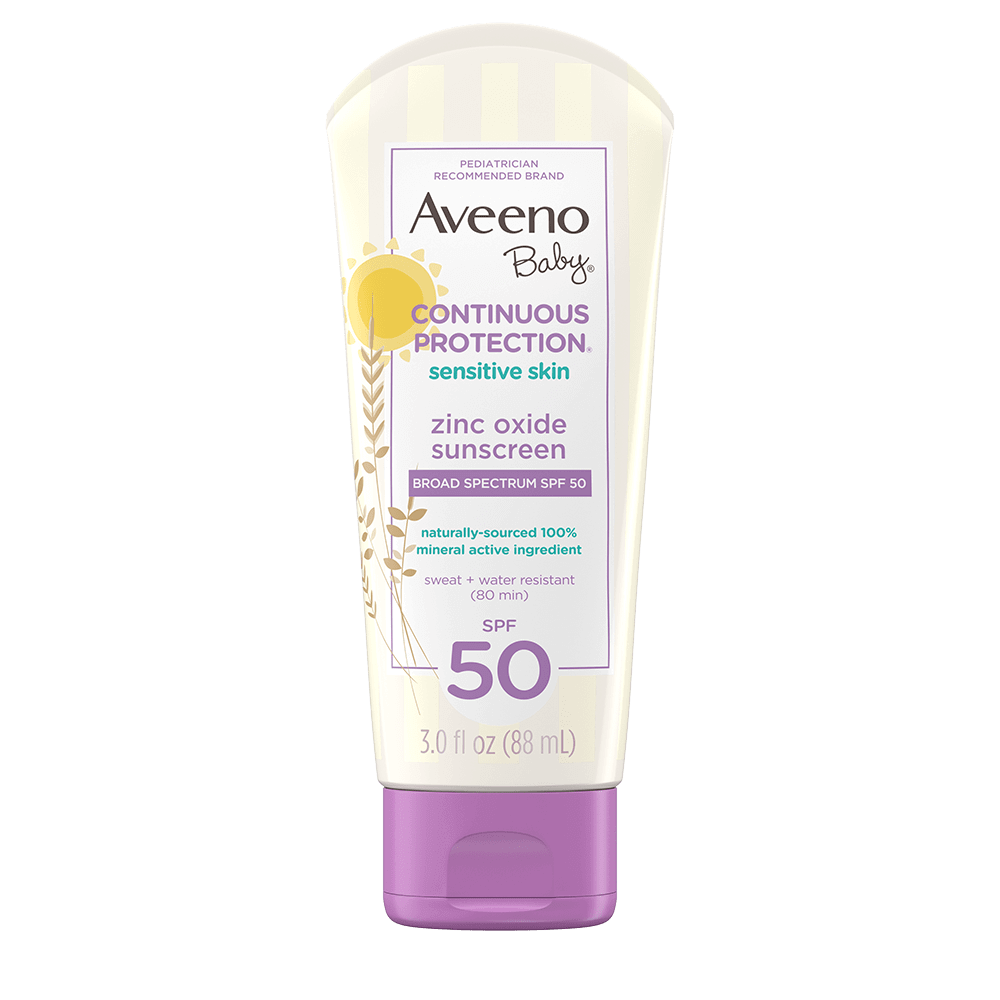
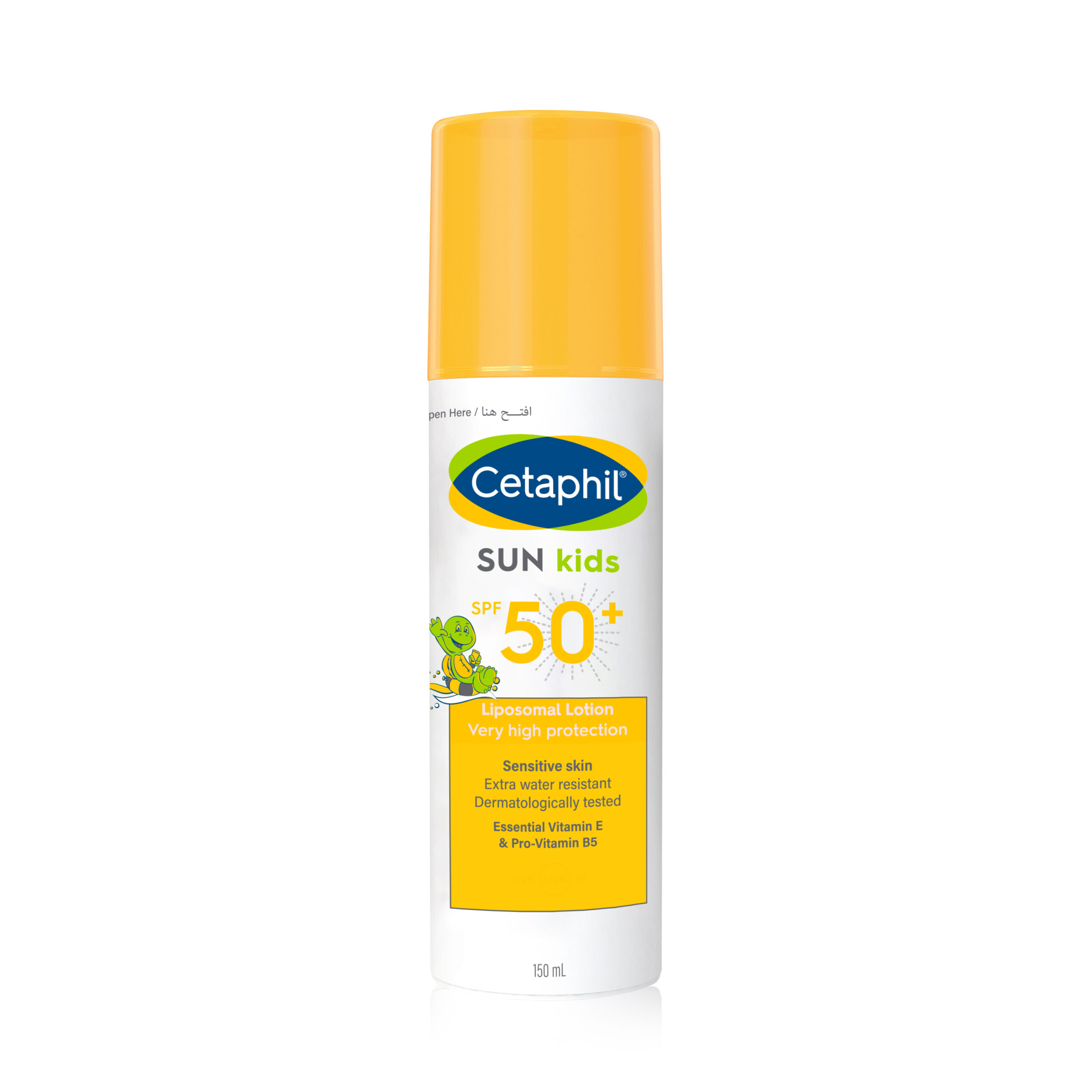
Understanding Baby Sunscreen: What You Need to Know Protecting your baby's delicate skin from the sun is not just a recommendation; it's a necessity, especially in a country like Bangladesh with its often intense tropical sun. Understanding the nuances of baby sunscreen is crucial for ensuring your little one's safety and long-term skin health. This section will equip you with the essential knowledge to make informed decisions. Why is Baby Sunscreen Essential in Bangladesh? Bangladesh’s geographic location means it experiences significant levels of ultraviolet (UV) radiation for much of the year. While a little sunshine is good for Vitamin D, excessive exposure to UV rays, particularly for babies, can be incredibly harmful. Vulnerable Skin: A baby's skin is much thinner, more delicate, and less developed than an adult's. This makes it highly susceptible to sunburn and UV damage. Their natural protective mechanisms are still maturing. Immediate Risks: Sunburn in infancy can be painful, leading to blistering, fever, and dehydration. In severe cases, it can even require medical attention. Long-Term Consequences: Repeated sun exposure and sunburns during childhood significantly increase the risk of developing skin cancer, including melanoma, later in life. UV radiation also contributes to premature skin aging and can suppress the immune system. Given the high sun exposure in Bangladesh, proactive protection from an early age is paramount to mitigate these risks. Types of Baby Sunscreen: Mineral vs. Chemical When you're looking for baby sunscreen, you'll primarily encounter two main types: mineral (or physical) and chemical. Understanding how each works is key to choosing the safest option for your child. Mineral Sunscreen Mineral sunscreens are widely recommended for babies and young children due to their gentle nature. Key Ingredients: The active ingredients are typically Zinc Oxide and/or Titanium Dioxide. These are natural minerals. How It Works: Instead of being absorbed into the skin, mineral sunscreens create a physical barrier on the skin's surface. Think of them as a reflective shield. When UV rays hit the skin, these minerals literally block and scatter them away. Benefits: Gentle on Sensitive Skin: They are far less likely to cause irritation or allergic reactions compared to chemical sunscreens because they sit on top of the skin rather than being absorbed. Immediate Protection: Mineral sunscreens offer immediate protection upon application, as there's no waiting time for the ingredients to be absorbed. Broad-Spectrum: Both zinc oxide and titanium dioxide provide excellent broad-spectrum protection against both UVA and UVB rays. Considerations: They can sometimes be thicker in consistency and may leave a slight white cast on the skin, although formulations are improving to minimize this. Chemical Sunscreen Chemical sunscreens contain organic compounds that absorb UV radiation. Key Ingredients: Common active ingredients include Oxybenzone, Avobenzone, Octinoxate, and Octisalate. Many of these ingredients are often avoided in formulations specifically for babies. How It Works: These compounds absorb UV radiation as it penetrates the skin, converting it into heat, which is then released from the skin. Benefits (General, less relevant for babies): They tend to be lighter, spread more easily, and are less likely to leave a visible residue. Considerations (Especially for Babies): Potential for Skin Irritation: Some chemical filters can cause skin irritation or allergic reactions in sensitive individuals, including babies. Absorption into Bloodstream: There have been concerns regarding the absorption of certain chemical filters into the bloodstream, though the long-term effects are still under study. Delayed Protection: Chemical sunscreens need about 15-20 minutes to be absorbed into the skin before they become effective. Recommendation for Babies: For babies and toddlers, mineral sunscreens are overwhelmingly preferred by pediatricians and dermatologists. Their gentle, barrier-forming action makes them the safest choice for their developing and highly sensitive skin. Key Factors When Choosing Baby Sunscreen Beyond the mineral vs. chemical debate, consider these crucial factors when selecting baby sunscreen: SPF Level: Always opt for a sunscreen with an SPF (Sun Protection Factor) of 30 or higher. SPF 30 blocks about 97% of UVB rays, while SPF 50 blocks about 98%. Higher SPFs offer only marginally more protection and can create a false sense of security. Broad-Spectrum Protection: Ensure the label clearly states "broad-spectrum." This means it protects against both UVA rays (which contribute to aging and long-term damage) and UVB rays (which cause sunburn). Water Resistance: If your baby will be near water, sweating, or playing actively, a "water-resistant" formula is essential. Look for labels indicating water resistance for 40 or 80 minutes. Remember, "waterproof" claims are no longer permitted. Hypoallergenic & Fragrance-Free: To minimize the risk of skin irritation and allergic reactions, choose products specifically labeled as "hypoallergenic" and "fragrance-free." Babies' skin is highly sensitive to additives. Pediatrician Recommended: Look for seals or indications that the product is "pediatrician tested" or "pediatrician recommended." This adds a layer of trust and assurance that the product is suitable for infants. Age Appropriateness: Sunscreen is generally not recommended for infants under 6 months of age. For these youngest babies, shade, protective clothing (like long-sleeved outfits and hats), and avoiding peak sun hours are the primary methods of sun protection. For babies 6 months and older, sunscreen can be safely used on exposed skin. Baby Sunscreen Price in Banglash Product Name Price (৳) Cetaphil Sun Kids Liposomal Lotion SPF 50+ – 150ml ৳ 4,525 Aveeno Baby Sensitive Skin Continuous Protection Lotion Spf 50 88ml ৳ 2,450 Frequently Asked Questions about Baby Sunscreen At what age can I start using sunscreen on my baby? Generally 6 months and older. For infants under 6 months, prioritize shade and protective clothing. Is mineral sunscreen better for babies? Yes, mineral sunscreens with zinc oxide and titanium dioxide are generally preferred for babies due to their gentle nature and less likelihood of causing irritation. How much sunscreen should I use on my baby? A generous amount to cover all exposed skin. A good rule of thumb is about a shot glass full for an adult, adjust proportionally for a baby. How often do I need to reapply baby sunscreen? Every two hours, or more frequently if swimming or sweating. Can I use adult sunscreen on my baby? It's not recommended. Baby sunscreens are formulated specifically for delicate skin, often being hypoallergenic and fragrance-free. What is the difference between SPF 30 and SPF 50? Explain the percentage of UV rays blocked and the diminishing returns beyond SPF 30. Are there any side effects of baby sunscreen? Rarely, but skin irritation or allergic reactions can occur. Advise patch testing and discontinuing use if irritation occurs.