A reliable room heater is no longer a luxury but an essential investment for Bangladeshi winters. But with so many options and varying room heater prices in Bangladesh, how do you make the right choice without overspending?
Welcome to 30 Minute Deal – your trusted partner in making smarter, faster shopping decisions. We cut through the guesswork, providing you with clear, real-time price comparisons on a wide range of electronics, including room heaters.
Why a Room Heater is an Essential Investment for Bangladeshi Winters
Beyond just comfort, a room heater offers a multitude of benefits that contribute to your family's well-being during the colder months:
Health Protection:
Cold environments can exacerbate respiratory issues, colds, and flu, especially among children and the elderly. A warm room helps prevent these ailments, ensuring a healthier living space.
Enhanced Comfort & Productivity:
A cozy environment promotes better sleep, relaxation, and focus. Whether you're working from home, studying, or simply unwinding, a comfortable temperature significantly improves your overall well-being and productivity.
Adapting to Changing Climates:
While Bangladesh is known for its tropical climate, winters, particularly in regions like the North and North-East, can be surprisingly harsh. Investing in a room heater ensures your home remains a sanctuary against the dropping temperatures.
Types of Room Heaters Available in Bangladesh
Convection Heaters (Fan Heaters)
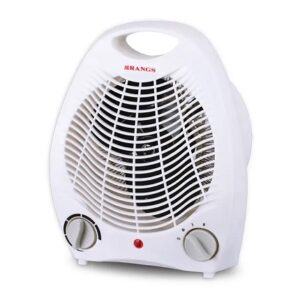
These heaters use a fan to blow air over a heated element, quickly distributing warm air throughout the room. They are rapid in heating, lightweight, and highly portable, making them ideal for quickly warming up small to medium-sized rooms. They are often among the most affordable options for fan heater price BD. However, they can be noisy due to the fan, may dry out the air, and are generally less energy-efficient for prolonged use in larger spaces. They are perfect for immediate warmth in bedrooms, small offices, or when quick, temporary heating is needed. Many people seek them as portable room heaters.
Radiant Heaters (Halogen/Quartz Heaters)
Radiant heaters emit infrared radiation that directly heats objects and people in their path, similar to how the sun warms you. They typically use halogen or quartz tubes. These heaters provide instant, directional heat and operate silently since there's no fan. They are energy-efficient for spot heating and are popular for their quick warmth, which influences halogen heater price Bangladesh. However, they only heat objects directly in front of them, not the entire room's air, and can be very bright, making them less suitable for bedrooms. They are best for personal heating in specific areas, such as under a desk or in a living room where you spend most of your time.
Oil-Filled Room Heaters
Oil-filled heaters contain oil that is heated by an electrical element. The oil retains heat, radiating it slowly and steadily into the room through fins. They provide consistent, long-lasting, and gentle heat, operate silently, and do not dry out the air. These heaters are energy-efficient for continuous use once they reach temperature and are often considered premium options, impacting oil heater price BD. They take longer to heat up initially and can be heavy and less portable. They are excellent for continuous heating in medium to large rooms, bedrooms, or living areas where sustained warmth is desired, also known as oil radiator heaters.
Ceramic Heaters
Cerami heaters use ceramic heating elements that are self-regulating, meaning they adjust their heat output based on the ambient temperature. They are efficient and safe due to their self-regulating nature, providing consistent heat. Often compact and portable, ceramic heaters are a good choice for small to medium rooms, offering a balance of efficiency and safety, though they can be more expensive than basic fan heaters.
Infrared Heaters
Infrared heaters use infrared light to directly warm objects and people, rather than heating the air. They offer instant, quiet, and energy-efficient direct heating. Since they do not dry out the air, they are suitable for targeted heating in specific zones or outdoor covered areas. However, they only heat what's in their direct line of sight, making them ideal for specific zones rather than entire rooms.
Key Factors Influencing Room Heater Prices in Bangladesh
The room heater price in Bangladesh can vary significantly based on several crucial factors. Understanding these will help you gauge value and make an informed decision:
Heater Type:
As discussed above, different technologies have varying manufacturing costs, directly impacting the final price. Oil-filled heaters, for instance, are generally more expensive than basic fan heaters.
Brand Reputation:
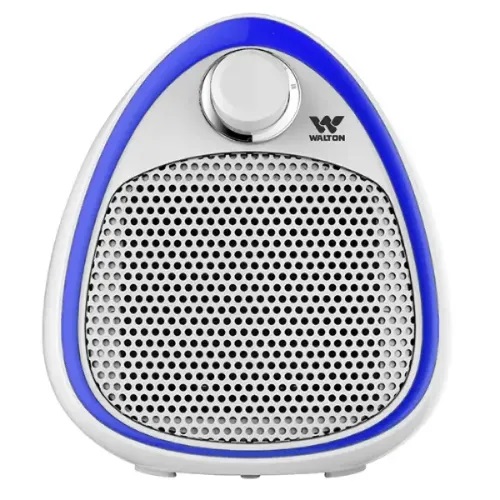
Established international brands like Philips, Bajaj, and Miyako, or reputable local brands like Walton and Singer, often command higher prices due to their proven quality, reliability, and after-sales service. When you see a Walton room heater price in Bangladesh or a Singer room heater price BD, you're often paying for trust.
Wattage/Heating Capacity:
Higher wattage (e.g., 2000W vs. 1000W) means greater heating power, suitable for larger rooms. Naturally, higher wattage models come with a higher price tag.
Features & Technology:
Modern room heaters come packed with features that enhance safety, convenience, and efficiency. These include:
Thermostat Control: Maintains a desired temperature.
Remote Operation: For convenience.
Timer: To set operation duration.
Oscillation: To spread heat evenly.
Safety Features: Tip-over protection (shuts off if knocked over), overheat protection (prevents overheating), child lock.
Dust Filters: For cleaner air.
Smart Features: Integration with smart home systems.
Humidifiers: To counteract air drying.
The more features, the higher the price.
Build Quality & Material:
Durable materials and superior construction lead to a longer-lasting product, which is reflected in the price.
Warranty & After-Sales Service:
A longer warranty period and readily available service centers add significant value and often contribute to a higher initial cost.
Energy Efficiency Ratings:
Heaters with better energy efficiency ratings (which translate to lower electricity bills in the long run) might have a higher upfront cost but offer savings over time.
Tips for Choosing the Best Room Heater for Your Needs
Making an informed decision ensures you get the most out of your investment. Consider these factors:
Room Size:
This is paramount. A general guideline:
Small Rooms (up to 100 sq ft): 1000W - 1500W (e.g., small fan heaters, ceramic heaters).
Medium Rooms (100-200 sq ft): 1500W - 2000W (e.g., larger fan heaters, oil-filled heaters).
Large Rooms (200+ sq ft): 2000W+ (e.g., multi-fin oil-filled heaters, powerful convection heaters).
Energy Efficiency:
Look for models with energy-saving modes or lower wattage for smaller spaces to keep your electricity bills in check. Oil-filled heaters are often more efficient for sustained heating.
Safety Features:
Prioritize safety! Essential features include:
Overheat Protection: Automatically shuts off the heater if it gets too hot.
Tip-Over Switch: Turns off the unit if it's accidentally knocked over.
Cool-Touch Exterior: Prevents accidental burns.
Child Lock: Important for homes with children.
Noise Level:
If you plan to use the heater in a bedroom or quiet study, opt for silent options like oil-filled or radiant heaters. Fan heaters can be noisy.
Portability:
If you need to move the heater between rooms, choose lightweight models with handles or wheels.
Budget:
Set a realistic budget, but remember that investing a little more upfront for better features and energy efficiency can save you money and provide greater comfort in the long run.
Additional Features:
Consider if features like a programmable timer, remote control, or even a built-in humidifier are important to your comfort and convenience.
Maintenance Tips for Your Room Heater: Ensure Longevity & Safety
Proper maintenance not only extends the life of your room heater but also ensures its safe and efficient operation.
Regular Cleaning:
Dust and lint can accumulate on heating elements and air vents, reducing efficiency and posing a fire hazard. Unplug the heater and gently wipe it down with a dry cloth or use a vacuum cleaner attachment to remove debris.
Proper Storage:
When winter ends, clean your heater thoroughly and store it in a dry, safe place, ideally in its original packaging, to protect it from dust and damage.
Inspect Cords and Plugs:
Before each use, check the power cord and plug for any signs of fraying, cuts, or damage. Never use a heater with a damaged cord.
Avoid Overloading Circuits:
Plug your room heater directly into a wall outlet. Avoid using extension cords or power strips, as heaters draw significant power and can overload circuits, leading to fire hazards.
Keep Clear of Flammables:
Always place your heater on a stable, flat surface, at least three feet away from anything flammable like curtains, furniture, bedding, or papers.
Professional Servicing:
If you notice any unusual smells, sounds, or malfunctions, discontinue use immediately and consider professional servicing.
Frequently Asked Questions (FAQs) About Room Heaters
Which type of room heater is best for health?
Oil-filled room heaters are often considered best for health as they provide gentle, consistent heat without drying out the air excessively, which can irritate respiratory passages. They also operate silently.
How much electricity does a room heater consume?
Electricity consumption depends on the heater's wattage and how long it runs. A 1500W heater running for 1 hour consumes 1.5 units (kWh) of electricity. Check the wattage of the model you're considering and factor in your local electricity rates.
Are room heaters safe to use overnight?
Modern room heaters with safety features like overheat protection and tip-over switches are generally safe for overnight use. However, always ensure proper ventilation, keep them away from flammable materials, and never leave them unattended if they lack these safety features. Oil-filled heaters are often preferred for overnight use due to their silent operation and consistent heat.
What is the difference between an oil-filled heater and a fan heater?
A fan heater uses a fan to blow air over a heated coil, providing quick, direct heat. An oil-filled heater heats oil inside fins, which then radiates warmth slowly and consistently into the room. Fan heaters are faster but can be noisy and dry the air; oil-filled heaters are slower to heat but offer silent, long-lasting, and non-drying warmth.
Can I use a room heater in a bathroom?
It is generally not recommended to use standard room heaters in bathrooms due to the risk of electric shock from water exposure. If you need a heater for a bathroom, look for models specifically designed and rated for bathroom use (often marked as "splash-proof" or "water-resistant").
How to clean a room heater?
Always unplug the heater and let it cool completely. Use a soft, dry cloth to wipe down the exterior. For vents, use a soft brush or vacuum cleaner attachment to remove dust and lint. Do not use water or liquid cleaners.
What is the average lifespan of a room heater?
The lifespan varies by type, brand, and usage. A well-maintained room heater can last anywhere from 5 to 10 years or even longer. Oil-filled heaters tend to have a longer lifespan due to fewer moving parts.
Do room heaters dry out the air?
Yes, many types of room heaters, especially fan heaters and radiant heaters, can reduce humidity levels in a room, leading to dry air. Oil-filled heaters tend to cause less air dryness. If this is a concern, consider using a humidifier alongside your heater or choosing a heater with a built-in humidifier function.